
August 4th, 2026, 10:47 pm
I need help with music theory and i need tips.  i also suck at beats so if you wanna gimme a tip comment.

I need help with music theory and i need tips. i also suck at beats so if you wanna gimme a tip comment.

First off, Welcome to the Forum xcrimsondjx !
Here are all important links:
http://lmms.io/forum/viewtopic.php?f=1&t=4740
-A few rules and useful forum instructions
If you like to introduce yourself, to the community, go here:
http://lmms.io/forum/viewtopic.php?f=4&t=4480
xcrimsondjx wrote: ↑August 4th, 2026, 10:47 pmI need help with music theory and i need tips. :( i also suck at beats so if you wanna gimme a tip comment.
I have some videos on the subject:

Try to learn how to analyze your favorite tunes and songs.
If you can get to that stage, it makes it much easier to develop your own ideas and flavors and combinations.
At the very least, if possible, learn how to count rhythms and maybe to identify different subsections of a musical work. Also helpful is knowing how to identify the BPM of a tune. Sorry I'm not more specific than that. Even if you can't read notation (which is old school), getting an idea of how a piano roll flows is helpful. Other than that, read music composition books if possible.
I'm NOT trying to be insulting or anything... but this is a great book that might be helpful:
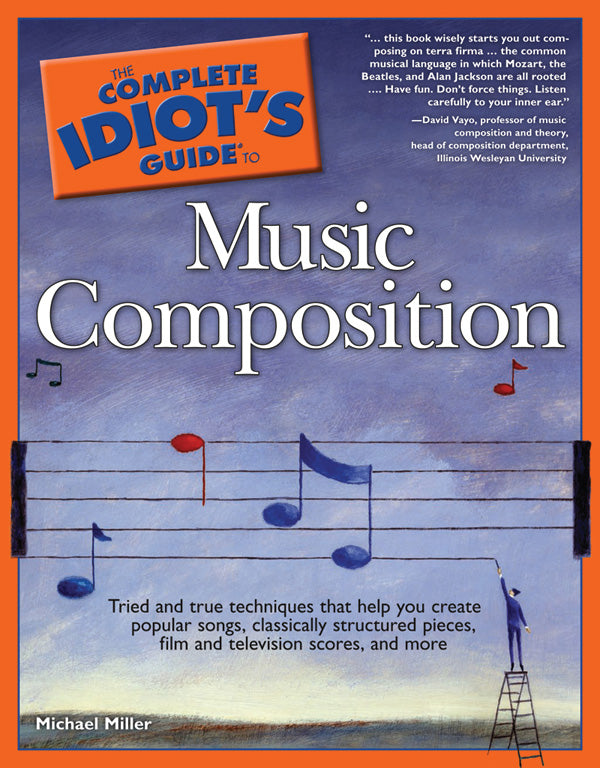
Good Luck on your journey.
P.S.-When composing rhythms, don't be afraid to shift the beats around in exotic ways. If you don't do that, you'll never get beyond 1-2-1-2-1-2-1-2 boring rhythms. For that matter, a lot of YouTube videos are totally misleading and preach the most boring rhythms as if they're gold. Look up musical terms like backbeat, syncopation, ghost notes, grace notes, paradiddle, ghost snares, polyrhythms, compound meter, etcetera. Rock on!